Recovery
Contrast Therapy in Marbella: A Hot-Cold Protocol Guide
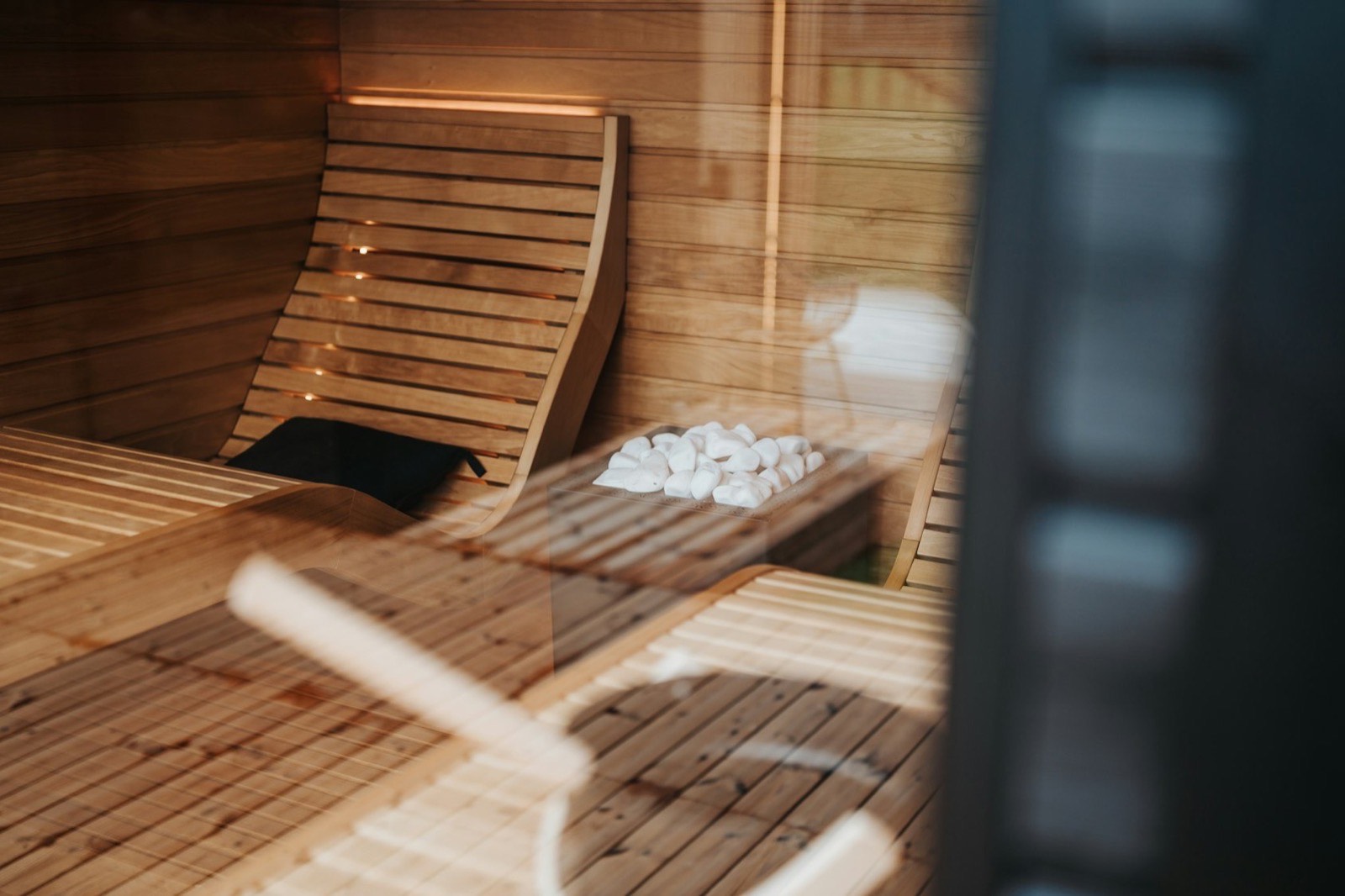
Contrast therapy is the most overused term in recovery right now and the most underused protocol. Most people know it means alternating hot and cold. Most people don't actually run the protocol — they do a sauna one day, a cold shower the next, and call it recovery. The difference between those two things is the difference between enjoying a gym membership and actually training. If you're in Marbella and serious about recovery, this is the guide.
What contrast therapy actually is
Contrast therapy is the structured cycling between vasodilation (heat) and vasoconstriction (cold) within a single session. The physiological point is the cycling itself — heat widens your blood vessels and pulls blood into muscle tissue, cold clamps them shut and pushes fluid back out. Run three cycles and you've flushed a significantly larger volume of fluid through soft tissue than any single heat or cold session could do alone.
The practice is ancient. Finnish sauna culture has run it for centuries. Japanese sentō use it. Russian banyas too. Modern sports science rediscovered it in the 1990s and athletic trainers have been running contrast protocols on elite athletes ever since. What's new isn't the practice — it's that a proper setup finally exists in Marbella.
The protocol we run at Pulse
There's no single "correct" contrast therapy protocol. But the one we run at Pulse is close to what most of the literature supports and what most of our regulars have converged on after a few months of experimentation.
A full session looks like this:
- Round 1 — Sauna: 10-12 minutes in the Finnish sauna at 85-95°C, or 20 minutes in the infrared if you prefer a gentler heat.
- Round 1 — Cold plunge: 1-2 minutes in the 6-8°C ice bath. Slow nasal breathing. No gasping.
- Rest: 2-3 minutes sitting. Water. Let your body settle.
- Round 2 — Sauna: 10 minutes. Usually feels easier than round 1.
- Round 2 — Cold plunge: 2 minutes. The second plunge is always noticeably easier than the first — this is the giveaway that the nervous-system effect is real.
- Round 3 — Sauna: 8-10 minutes if you're up for it.
- Round 3 — Cold plunge: 1-2 minutes. Finish on cold, not hot.
- Recovery: 10 minutes of quiet in the rest area. Hydrate. Don't jump straight into your car.
Total session time: 60-75 minutes. Two or three rounds is the sweet spot. Four is overkill for most people and starts to produce diminishing returns and a lingering post-session fatigue you don't want.
Finish on cold, not hot. The reason: ending on cold leaves your nervous system alert, your mood elevated, and your post-session core temperature dropping gradually (which is exactly what you want if you're going about the rest of your day). Ending on hot leaves you sleepy, flushed, and wanting a nap. Both are fine — just know which one you're choosing.
Why Marbella's padel crowd got here first
If you've spent any time around a Marbella padel club, you know it's a different world. People are playing five days a week, pushing into their 40s and 50s, and taking recovery much more seriously than the surface energy of the sport suggests. Contrast therapy is tailor-made for that demographic because:
- Padel produces a specific kind of fatigue — lateral movement, shoulder rotation, a lot of reactive stopping and starting — that responds well to vascular flushing.
- The older end of the padel crowd benefits more than younger athletes would, because recovery quality becomes the limiting factor on how much you can play per week.
- The ritual fits into the existing social pattern around the sport — play, shower, contrast session, dinner with the same people. It doesn't feel like medical recovery, it feels like part of the evening.
The same logic applies to CrossFit athletes, HYROX competitors, and anyone training hard enough that Wednesday decides whether Thursday is any good. (If that's you, our summer cold plunge protocol is worth reading.)
Interested? Book a contrast therapy session at Pulse — guided first visits, five ice baths from 4°C to 12°C, five minutes from Puerto Banús.
Common mistakes first-timers make
The biggest errors we see from people trying contrast therapy for the first time in Marbella:
- Starting in the cold. You'll hate it. Always warm up first.
- One cycle and out. The benefit compounds across rounds. One plunge is a cold plunge, not contrast therapy.
- Holding breath in the cold. This makes the discomfort spike. Slow nasal breaths. You can talk in a full sentence if you have to — that's the pace you want.
- Overstaying the heat. More sauna time is not more benefit. 10-12 minutes per round is plenty.
- Doing it when already exhausted. Contrast therapy after a light training day is great. After a brutal session when you're already depleted, it can leave you flat for 24 hours.
Who should probably skip it
Contrast therapy is safe for most healthy adults but it's not for everyone. If you have unmanaged cardiovascular issues, are pregnant, have a history of fainting, or are on medication that affects your blood pressure, talk to your doctor before starting. This isn't hedging — the vascular shifts are real and they can surface existing issues. Most Marbella residents in the age range who'd benefit most from contrast therapy are also the age range most likely to have something worth checking first.
Try a full contrast session in Marbella
Pulse is set up around running this protocol properly. Finnish sauna at 85-95°C, infrared as a gentler alternative, five ice baths from 4°C to 12°C, and a rest area designed for the in-between rounds — not a corridor or a changing room. First-timers get guided through a full three-round session on their first visit so the protocol becomes muscle memory. We're five minutes from Puerto Banús, walkable from Nueva Andalucía.
Ready to try it?
Book a contrast therapy session in Marbella
90-minute sessions, guided first-time protocol, sauna and ice bath combined — the full cycle.
Book now