Recovery
Infrared Sauna in Marbella: What It Is, How It Differs, and Where to Try It
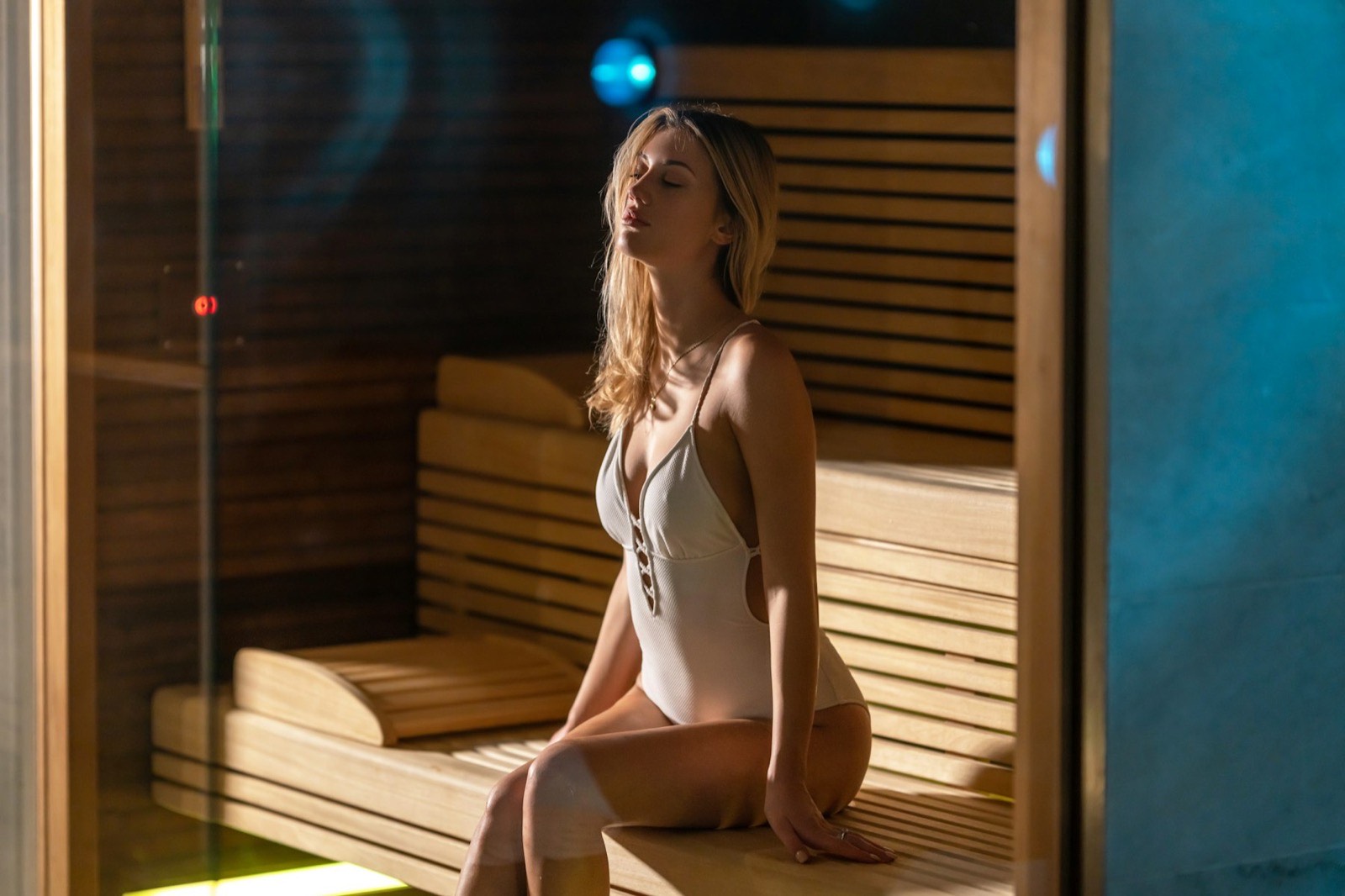
If you've ever walked past our space at Pulse and wondered what the difference is between the two sauna rooms — you're not alone. We get that question constantly. Finnish sauna gets all the cultural cachet, but infrared sauna has quietly built a serious following among recovery-focused athletes, expats managing chronic joint pain, and anyone who finds traditional heat a bit too intense. This article breaks it down honestly: what infrared actually is, how it differs from Finnish, and whether it belongs in your routine.
What is an infrared sauna?
An infrared sauna heats your body directly using light panels, not the surrounding air. Instead of filling a room with hot air the way a Finnish sauna does, infrared panels emit wavelengths of light that penetrate your skin and warm your tissues from within — typically at temperatures between 40°C and 60°C.
That might sound mild compared to the 85–95°C you'd find in a traditional Finnish cabin, but the experience is distinctly different. Because the heat is working at a tissue level rather than just baking you from the outside, many people find they sweat heavily and feel the effects deeply — without the suffocating, thick-air sensation of a high-heat room.
The technology isn't new. Near, mid, and far-infrared wavelengths have been used in physical therapy and clinical settings for decades. What's changed is how accessible and refined the consumer experience has become.
Infrared vs Finnish sauna — the real differences
Let's be direct: these are two different tools, not two versions of the same thing.
- Temperature. Finnish sauna runs 85–95°C, sometimes higher. Infrared sits at 40–60°C. The Finnish experience hits you immediately when you open the door. Infrared is gentler on entry.
- How the heat works. Finnish heats the air, which heats your skin, which raises your core temperature. Infrared bypasses the air almost entirely and penetrates 3–5 cm into muscle and joint tissue. This deeper reach is the core reason infrared gets attention for musculoskeletal recovery.
- Session length. Finnish sauna sessions cycle in and out every 8–12 minutes. Infrared sessions are typically 30–45 minutes in a single stretch. The lower ambient temperature means easier breathing and less cardiovascular strain.
- Humidity. Finnish allows for löyly — pouring water over hot stones to create steam bursts. Infrared rooms stay dry throughout.
Neither is superior. They are genuinely different experiences with different physiological effects. We have both at Pulse for exactly that reason.
What infrared sauna is good for
Here's where the evidence is reasonably strong:
- Muscle recovery. The deeper tissue penetration helps increase circulation to muscles after training, reducing soreness and supporting repair. Padel players, runners, and gym regulars in Marbella use this regularly as a post-session reset.
- Joint pain and stiffness. For people with chronic joint issues — arthritis, old injuries, general stiffness — the penetrating warmth at a manageable temperature can provide meaningful relief without the intensity of a full Finnish session.
- Skin health. Infrared promotes circulation and sweating at a skin level, which can improve tone and texture over consistent sessions.
- Sleep quality. The parasympathetic activation from a proper infrared session has a measurable effect on sleep onset and quality when timed right — late afternoon or early evening is the sweet spot.
- Stress and nervous system recovery. If you're in a sustained high-stress period, infrared can act as a slow, deliberate nervous system downregulation.
Want to try it? Book an infrared sauna session at Pulse — we have both Finnish and infrared, five minutes from Puerto Banús.
Who should try infrared in Marbella
Marbella attracts a specific kind of person: active, health-conscious, often new to formal recovery practices. Expats building new routines. Visiting athletes or corporate teams. Padel enthusiasts who are beating their bodies up three times a week and wondering why they're always sore.
Infrared is a particularly good entry point if you've never used a sauna regularly and find the idea of sitting in 90°C heat intimidating. The lower temperature makes the session accessible — you can actually think clearly, breathe comfortably, and stay long enough for the benefits to accumulate.
It's also well-suited to anyone who is heat-sensitive, managing cardiovascular concerns (though always check with your doctor), or recovering from injury where hard training is off the table.
How to combine infrared with cold plunge
This is where things get interesting. Contrast therapy — deliberately alternating between heat and cold — amplifies the recovery effect of either modality alone. Infrared opens you up: vasodilation, deep tissue warmth, nervous system ease. Cold exposure snaps you back: vasoconstriction, alertness, dopamine surge. Done in sequence, the cardiovascular cycling creates a powerful flush effect through the body.
We pair our infrared room directly with ice baths. If you're curious about what cold immersion actually involves, our ice bath guide walks through protocols for beginners and more experienced users. A 30-minute infrared session followed by a 2–3 minute cold plunge is accessible to most people and remarkably effective.
Try infrared sauna at Pulse in Marbella
We built Pulse to give Marbella a proper recovery space — not a spa, not a gym add-on, but a dedicated environment for people who take their wellbeing seriously. Our infrared room sits alongside Finnish sauna, ice baths, and cold plunge pools so you can build a session that matches your goals and your tolerance on any given day.
Whether you're new to sauna culture or you've been doing this for years, infrared is worth understanding on its own terms. Come try it, feel the difference, and decide for yourself.
Ready to try it?
Book an infrared sauna session in Marbella
Finnish and infrared saunas, five ice baths from 4°C to 12°C, guided first sessions. Five minutes from Puerto Banús.
Book now